

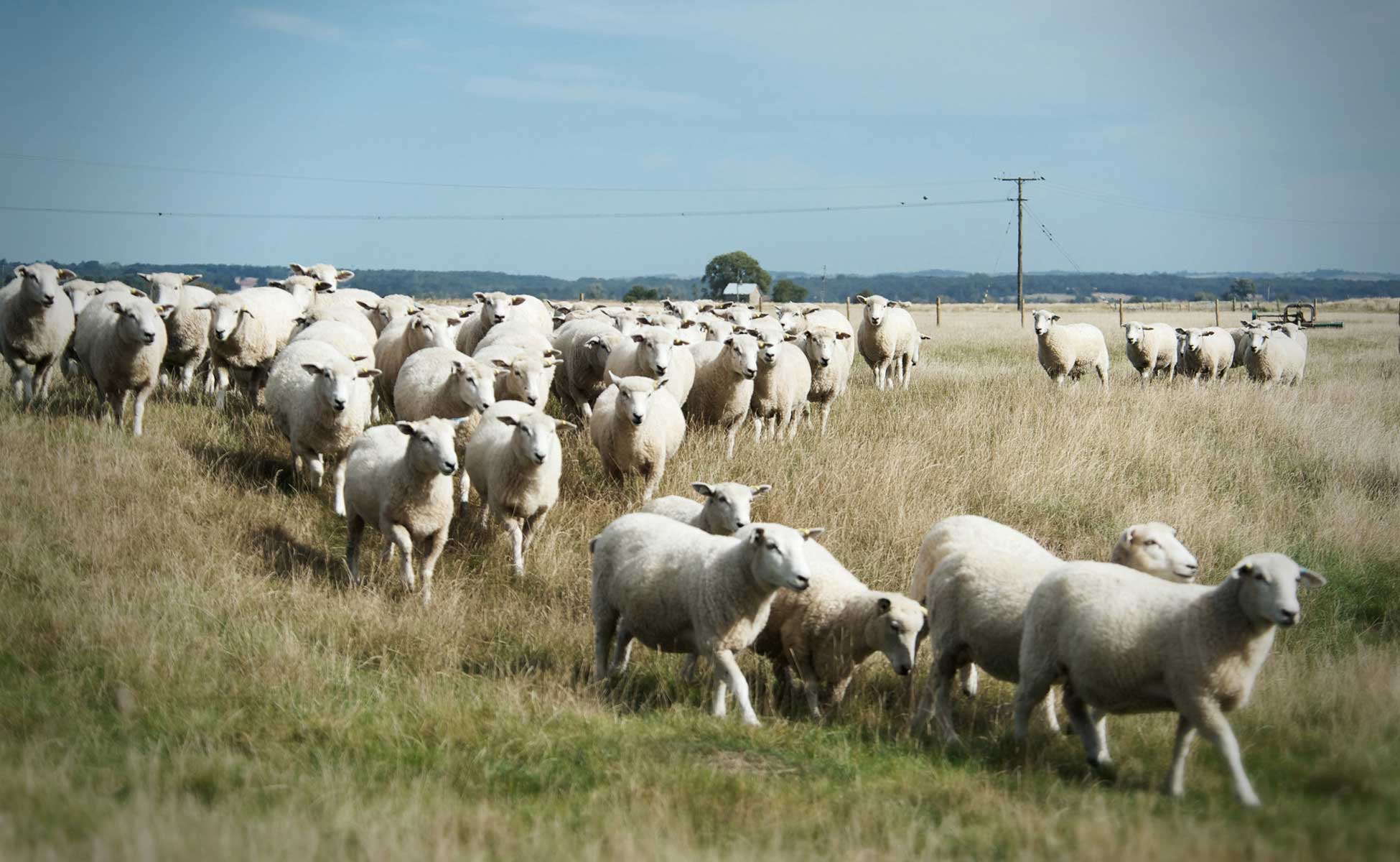
The rapid spread of bluetongue is adding a new and potentially serious pressure to a UK livestock sector that was already seeing cattle and sheep numbers decline.
One concern now emerging is the possible impact on next year’s lamb crop. Veterinary guidance highlighted by Vet Times warns that bluetongue infection can have a long-lasting effect on ram fertility. Sperm development takes around 50 days and recovery of breeding soundness after infection can take up to 100 days, meaning rams affected during the current outbreak may have very poor fertility during this breeding season.
It is too early to quantify what this will mean for livestock numbers next year, but the possibility of poorer conception rates comes on top of an already worrying structural decline.
BMPA has been warning for some time about the consequences of a steadily shrinking domestic livestock base. Our Meat Industry Manifesto highlighted the relationship between falling herd sizes and the viability of the country’s abattoir network. The number of UK abattoirs has already fallen from around 2,500 in the late 1970s to just over 200, and we have warned of a tipping point beyond which further contraction of slaughtering capacity could accelerate the decline in domestic livestock production and increase reliance on imported meat.
This concern is particularly acute in Wales. In July, BMPA joined farming, auctioneering and processing organisations in writing to the Welsh Government about the continuing fall in beef and sheep numbers, with particular concern around the suckler cow herd. The letter warned that, if left unchecked, the trend could damage the long-term viability of both livestock farming and meat processing, while increasing reliance on imports and weakening food security.
The industry has called for a strategic response, including better evidence on where sheep and cattle numbers are heading and a time-limited government-industry task and finish group to identify practical measures capable of reversing the decline. This builds on discussions already taking place through the Welsh Government’s Sustainable Production Technical Group.
Bluetongue now introduces another factor into that work. If disease-related fertility problems translate into fewer lambs alongside existing downward pressure on breeding herds and flocks, the consequences will eventually be felt further down the supply chain by processors whose businesses depend on a sufficient and reliable throughput of British animals.The issue also comes as new figures from the Food and Drink Federation underline Britain’s growing dependence on imported food.
The latest numbers reinforce an issue BMPA has consistently raised which is that food security depends not just on being able to buy food on world markets, but on maintaining the domestic infrastructure needed to produce it.
Livestock farming and meat processing are interdependent. Abattoirs need sufficient livestock throughput to remain viable; farmers in turn need a functioning network of processors and markets for their animals. Once capacity disappears, rebuilding it is extremely difficult.
Bluetongue is first and foremost an animal-health challenge, and the eventual impact of this year’s outbreak on future livestock numbers is not yet known. But against a backdrop of already declining herds and flocks, a shrinking abattoir network and rising food imports, it is another warning that Britain’s livestock production base cannot be taken for granted.
This makes the work that BMPA is already doing with government and farming organisations to stabilise livestock numbers even more urgent.
We are the UKs largest trade body for the meat industry and provide expert advice on trade issues, bespoke technical advice and access to government policy makers
We are proud to count businesses of all sizes and specialties as members. They range from small, family run abattoirs serving local customers to the largest meat processing companies responsible for supplying some of our best-loved brands to shops and supermarkets.
We are further strengthened by our associate Members who work in industries that support and supply our meat processing companies.
We are the voice of the British meat industry.

17 Clerkenwell Green
Clerkenwell, EC1 0DP
Tel: 020 7329 0776
Get industry updates direct to your inbox