
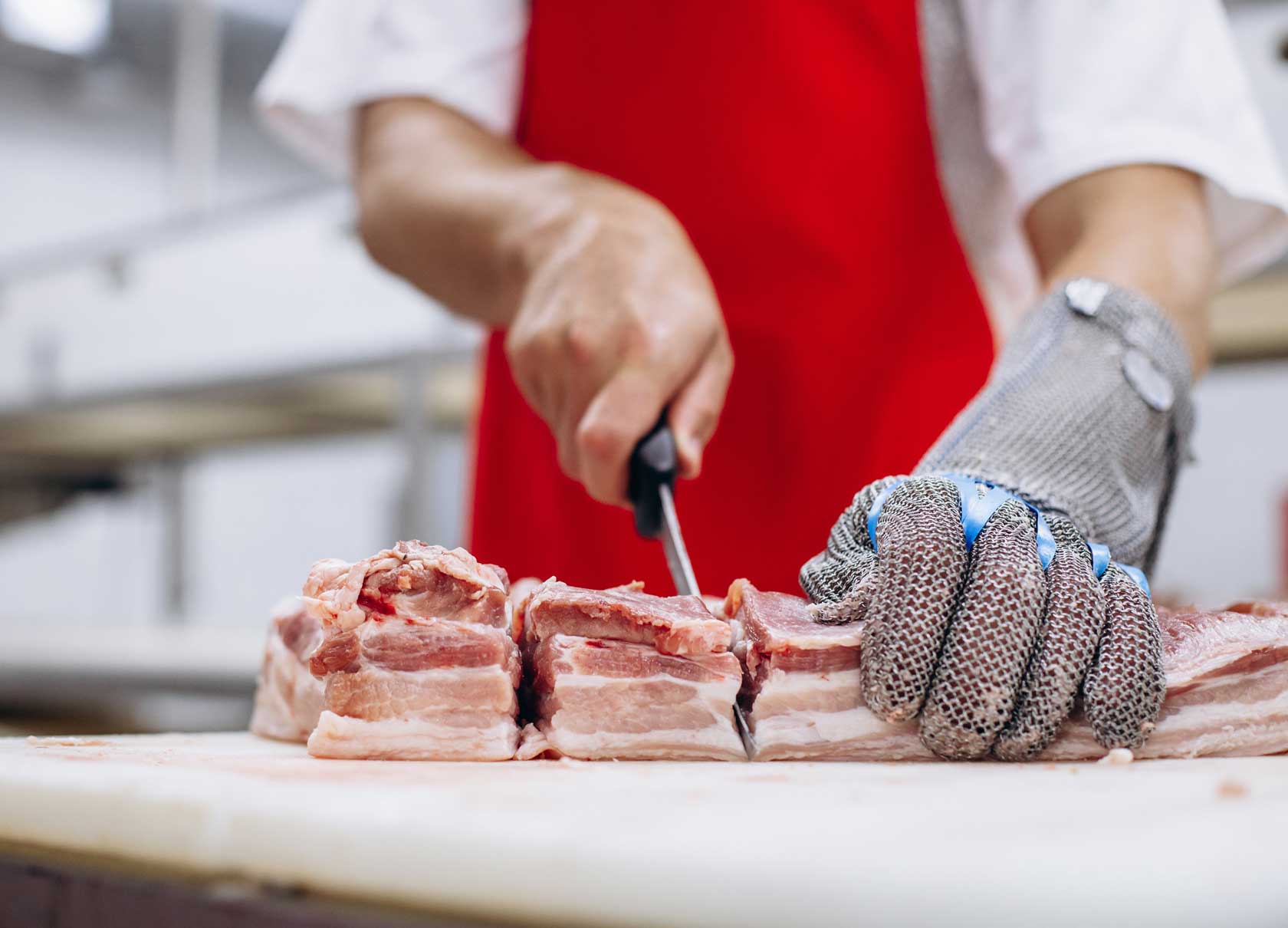
When we look at the evolution of meat inspection charges and the profitability of an abattoir lets go way back to the late 1970’s. The service was provided by the local authority without any Official Veterinarians (OVs) just Meat Hygiene Inspectors (MHIs) at a reasonable cost. There was also straight forward legislation and minimum bureaucracy for this service and hardly any paperwork for the Food Business Operator (FBO).
At that time there were around 2,500 abattoirs across the country, we now have around 200 left or even fewer with last year closures. These were the days when an abattoir could make a profit, albeit a small one, as the 5th quarter returned some value e.g. hides and skins, small intestines, blood, fat (for tallow), bones and green tripe along with edible offal or red offal as we call it – heart, liver, kidneys, tongue, cooked tripe, cheek meat, lung, spleen, thick/thin skirts (diaphragm) and tails. Of course, some of these products still have a value, however nothing like they did back then. There was the odd business that exported, which required a vet to be present, increasing the cost, but only for a day. The plant where I worked back in 1980 exported beef once per week to Germany.
Roll forward to when we had to be fully compliant with EU legislation. Many abattoirs closed due to the costs of refurbishment and bureaucracy to meet these new requirements. The local authority service that provided MHIs also disappeared into the more expensive Meat Hygiene Service (MHS) which, in turn was absorbed into what we now know as the FSA. Since then the pace of cost increases has escalated along with FSA’s head count.
Changes in people’s eating habits has also had a significant effect. We no longer eat nose to tail and therefore some values have significantly dopped over the decades. As a result we need to export the parts we no longer eat, which is now a costly exercise and only viable in large volume for the bigger abattoirs. Plus there’s the cost of export health certificates for each consignment at around £250 per load along with other administrative costs. If you’re a small or medium abattoir you will struggle to recover overheads due to the very high running costs of energy, business rates, labour, FSA costs, specified risk material disposal, effluent disposal, water, maintenance, H&S, HR, food safety requirements. The list goes on and on!
Independent butchers’ shops are also closing their doors which reduces the outlet for carcase sales for smaller abattoirs. There is still a discount on FSA invoices for small and medium abattoirs, but this will soon be withdrawn from large businesses.
That said, these charges will increase by a staggering 24% for 2026/27 which will be a hard pill to swallow for basically no change to the inflexible service received. Each year the FSA informs the industry what it will have to pay with little or no transparency of how they arrive at these costs other than the explanation that outsourced contractor costs have increased.
It must be said that it is one of the most complex systems ever invented by civil servants and isn’t fit for real world purpose. We live in hope that the 2nd Judicial Review, underway at the moment, will finally force the FSA to reveal how they arrive at these costs and clarify if they are indeed legally allowed to charge for all the things they have lumped into the cost for Official Controls.
In my 47 years in this industry, I have witnessed huge consolidation across the supply chain. Livestock markets, abattoirs and butchers’ shops have all disappeared in large numbers. I’m sad to say that I see further reductions in the number of abattoirs and butchers’ shops this year due to the high running costs and the other pressures I mentioned. These businesses do not close because they are making a profit.
We are the UKs largest trade body for the meat industry and provide expert advice on trade issues, bespoke technical advice and access to government policy makers
We are proud to count businesses of all sizes and specialties as members. They range from small, family run abattoirs serving local customers to the largest meat processing companies responsible for supplying some of our best-loved brands to shops and supermarkets.
We are further strengthened by our associate Members who work in industries that support and supply our meat processing companies.
We are the voice of the British meat industry.
17 Clerkenwell Green
Clerkenwell, EC1 0DP
Tel: 020 7329 0776