
The anonymous authors of the recently published Inside Track memo are, of course, right to call for an open and pragmatic dialogue between farmers, manufacturers, retailers and government to address the challenges the UK faces in feeding its growing population. But many of the issues and points raised in the memo have already been the subject of ongoing discussion for quite some time, most of which we have addressed in our recent Meat Industry Manifesto.
We agree that the UK food and farming industry must play its part in balancing environmental and health needs with the need to maintain a secure food supply to nearly 70 million people, over 90% of whom choose to eat meat.
For our part as abattoirs and meat processors, this means maintaining a viable, robust livestock industry; one that fairly compensates British farmers for their labour. Unfortunately, what we currently have is a combination of higher input costs, pricing pressure from consumers and retailers and government policy that’s not only removed a subsidy system that enabled many small farms to operate but replaced it with incentives to actively withdraw from food production. This operating environment is forcing farmers out of production and making us more reliant on imported sources of meat.
As we warned in our Manifesto, if livestock farming were to be squeezed out of the UK, we risk losing our abattoir sector which would mean we lose not just our domestic meat production but dairy as well. That’s not something we should countenance. Meat processors would still be able to survive by importing what we need, but that would be very precarious and subject to supply shocks out of our control.
If we import meat, then we import that origin country’s standards and environmental footprint. Given that the UK is one of the few countries in the world to have near perfect conditions for rearing animals on marginal land that can’t be used for any other food production, it makes sense to enable our farmers to use that natural resource so we don’t need to import from other countries. It supports our rural communities and, crucially, strengthens our domestic food security.
Given recent global supply chain disruptions, whether caused by geopolitical tensions or climate change, and the fact that the UK population is growing at a pace, we question the wisdom of reducing our ability to provide enough of two of the key food groups that make up a healthy, balanced diet: meat and dairy. Indeed, the Inside Track authors voiced such concerns in their first memo back in April this year on supply chain risk and resilience. Food security is a theme we return to regularly.
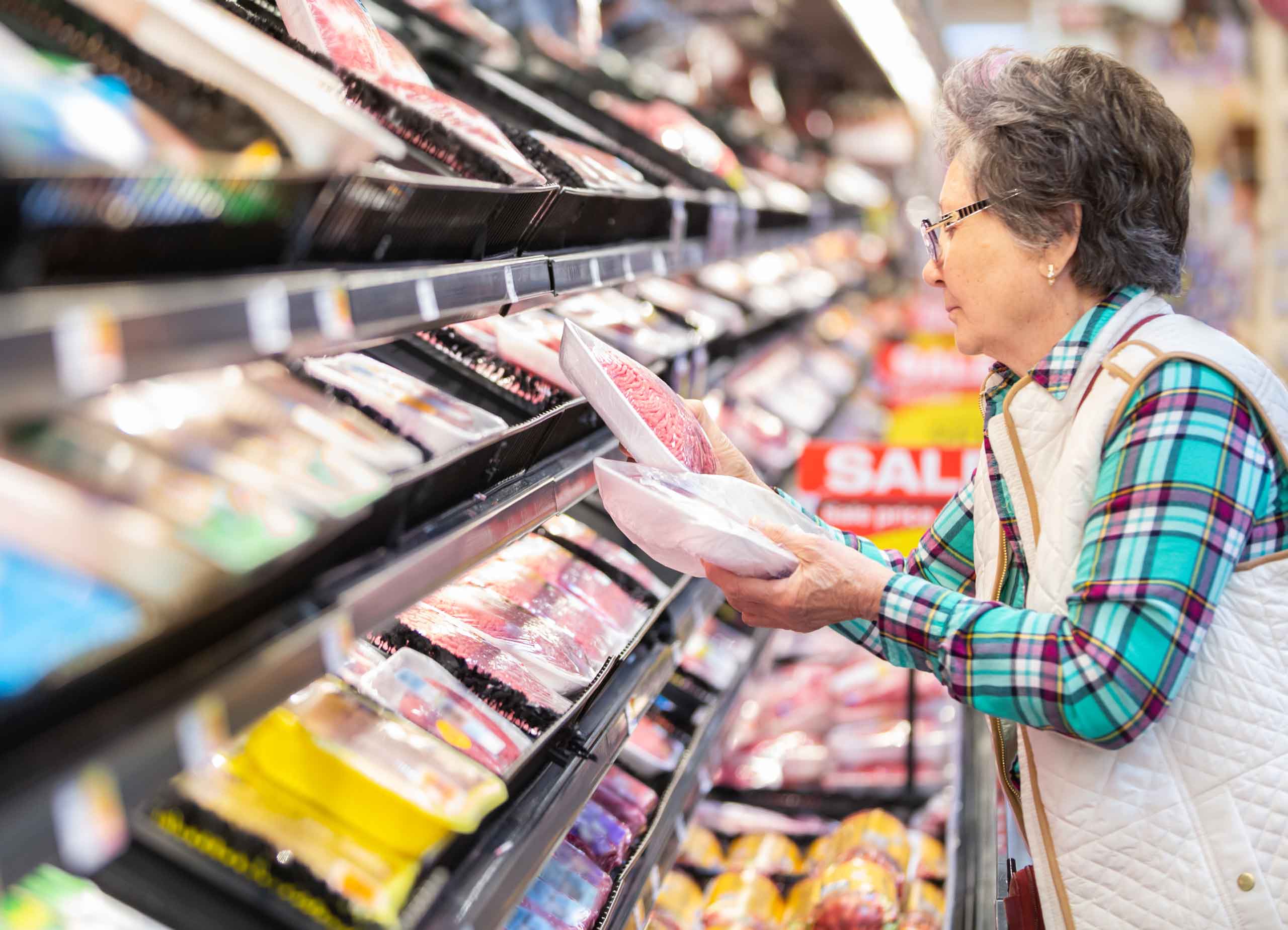
It’s interesting to note that, according to numerous studies and government data, per capita meat consumption in the UK has been decreasing steadily and is now at its lowest level since records began in the 1970s. Red meat consumption has fallen the most. We’re now at or below the government recommended level. However, the need to produce meat in the UK hasn’t diminished because the population has risen by just under 25% since then. And 90% of consumers still demand meat is available in supermarkets.
If, as the Inside Track authors contend, the UK food supply system is at greater risk of failing us, then we most certainly do need a pragmatic conversation. But it requires acknowledgement of a few hard truths. Farmers need to be paid appropriately for their produce; at the same time UK farming also needs to accept that there will have to be a degree of modernisation, consolidation and change as the UK population changes; damaging price wars can’t be allowed to render domestic food production un-viable; the UK already outstrips most other countries when it comes to high standards and lower environmental impact; and government has a big part to play in creating the right policy environment to support our domestic food industry.
BMPA is well placed between producers, retailers and government to have this debate and we intend to keep pushing for sensible and pragmatic solutions to feeding UK consumers into the future, no matter the challenges.
We are the UKs largest trade body for the meat industry and provide expert advice on trade issues, bespoke technical advice and access to government policy makers
We are proud to count businesses of all sizes and specialties as members. They range from small, family run abattoirs serving local customers to the largest meat processing companies responsible for supplying some of our best-loved brands to shops and supermarkets.
We are further strengthened by our associate Members who work in industries that support and supply our meat processing companies.
We are the voice of the British meat industry.

17 Clerkenwell Green
Clerkenwell, EC1 0DP
Tel: 020 7329 0776