
Register now for the new AHDB EUDR geolocation portal. Register Now
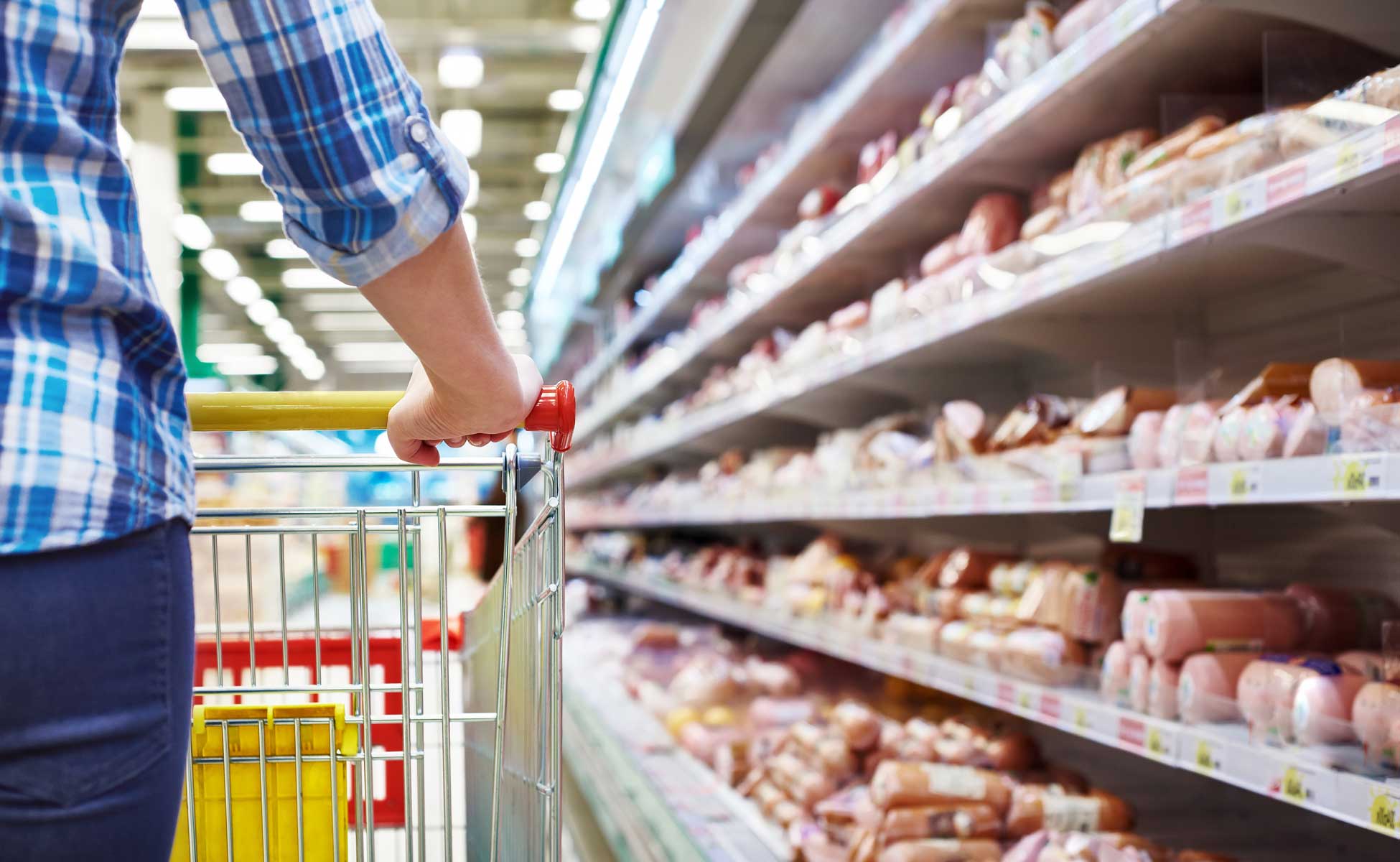
Starting on farm our food travels via processors, manufacturers, retailers, food service and export outlets, but ultimately ends being eaten by a consumer. Realistically or practically, one part of the journey outlined cannot be separated from any other. Why therefore does the government in many cases not recognize the need for policy making to take a more holistic and co-ordinated approach to the supply chain?
As a means of addressing this paradox, I was delighted to have been invited to speak at the Westminster Food & Nutrition Forum policy conference on 6 November. The conference considered various issues around the next steps for food policy in England – implementation, growth, public health, affordability and resilience.
Many of the themes covered by the Conference addressed those of relevance to the UK meat industry, notably building food system resilience, managing the implications of climatic and geopolitical volatility for domestic production, imports and food security; protecting productive agricultural land; improving access to data and evidence to support resilience planning and evaluation; and supporting investment in resilience across farms and supply chains, and reducing reliance on costly inputs
My recent speech to the Westminster Food & Nutrition Forum policy conference on 6 November focused on the way policy making around the supply chain operates. Both in terms of structure and priorities. The current approach to policy making limits our ability to effectively address the challenges that the food supply chain is facing, such as food system resilience, climate change, food security, obesity, balancing nature protection with food production and the need for greater investment in farming and food production, because they are, at times, effectively competing against each other.
My argument is that policy makers need a fundamental re-think of how government approaches food policy so they see the food supply chain in its entirety and not as separate independent entities that by chance just happen to work together to ensure the nation is fed.
First, I asked whether we should consider a better join-up of:
1. Strategies – Just within Defra we have the land use framework, the farming road map, the food strategy, Defra’s response to Baroness Batter’s Farming Profitability Review, and the animal welfare strategy. Alongside that we have wider government policies on planning, labour, diet and health, skills and trade to name just a few. How can we ensure that future strategies sit better together to provide a more coherent plan for how we produce, process, manufacture and sell/export food? How can we avoid having policies that conflict or contradict (for example how to balance food security and climate change adaption (methane emissions)?
2. Processes: Data gathering, surveillance, advice, monitoring and enforcement – how do we ensure that the plethora of associated activities that are involved in the making of supply chain policy can be more effectively utilsied: sharing resources and data, avoiding duplication and operating more transparently?
3. Organisations – setting aside the individual policies and strategic documents they each produce, how do we get government departments and agencies to work better with industry. How do we also get industry to work better within itself?
Any changes as proposed will mean Government and all of us changing the way we work, moving the focus from a vertical to a horizontal approach.
Second, I asked whether we should focus better on what the key priorities are we want to address across the supply chain and want to government to facilitate or sometimes even fund.
If we’re clearer on the priorities, it should be easier to create supply chain wide strategies and implementation programmes?
I suggested, five key long-term priorities for the supply chain might be:
If our priorities are better focussed, will this result in better focused outcomes? With the combination of specific and overarching objectives and the funding of clear activities this should, ultimately, mean us achieving more of our defined outcomes based on having clarity on our priorities?
This is primarily a conversation that has to be had internally, but it’s a conversation that we also need to take to an external audience if we are to avoid outsourcing the problems we face domestically on climate change, self-sufficiency, food security, and animal welfare.
Education of consumers is perhaps more important than we sometimes realise. Knowing where our food comes from, the value of it, the challenges of production, carcase balance, self-sufficiency, can all address how consumers react to and understand more about the food they consume,
So in summary let’s:
Finally, what might be the solution? We have been facing these challenges for some time, and without change, will continue to do so. Primarily this will have to come from government. They make policies and so need to establish permanent internal departmental and cross departmental structures that ensure that a proper join up of new policies under design is undertaken both within individual departments but also across all other interested and impacted departments and agencies. This approach needs to ensure that before all new polices go live there is a clear understanding as to how they conflict with or complement existing policies; that the impacted industry/sector has been fully engaged in the development of the policy so implication and unexpected consequences have been fully considered and addressed, and finally, how delivery will ensure that all approved policies are delivered consistently.
It is therefore important that we, the industries and sectors impacted by policy, continue to press government for a change in approach and explain why it’s so important to us that new policies are developed to be strategic across the supply chain, promote complementarity not conflict; are designed together with industry; and are delivered proportionately and consistently.
We are the UKs largest trade body for the meat industry and provide expert advice on trade issues, bespoke technical advice and access to government policy makers
We are proud to count businesses of all sizes and specialties as members. They range from small, family run abattoirs serving local customers to the largest meat processing companies responsible for supplying some of our best-loved brands to shops and supermarkets.
We are further strengthened by our associate Members who work in industries that support and supply our meat processing companies.
We are the voice of the British meat industry.

17 Clerkenwell Green
Clerkenwell, EC1 0DP
Tel: 020 7329 0776
Get industry updates direct to your inbox