

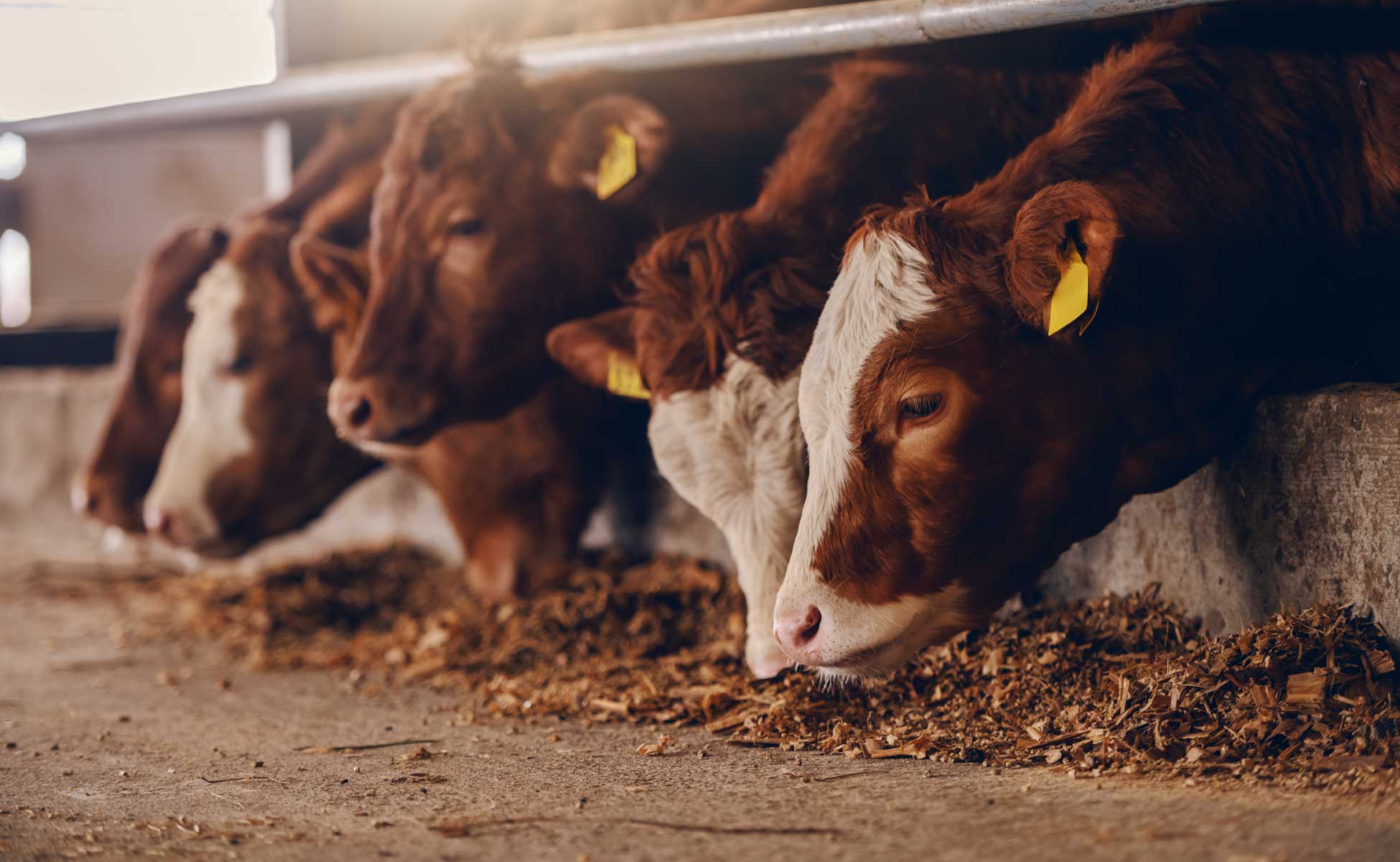
The global meat sector is entering a period of significant tightening, with beef and sheep markets in particular facing sustained pressure on both supply and trade flows. New forecasts from AHDB, Rabobank and wider industry analysis all point to the same conclusion: the era of abundant global beef is ending, and structural changes in domestic GB production will add further strain for UK processors.
Rabobank’s latest global beef outlook suggests production among the world’s major exporters will fall again in 2025, following earlier contractions. The United States is expected to see the sharpest decline, driven by herd reductions and slow rebuilding, while New Zealand faces one of the steepest percentage drops. Even Brazil and Canada are forecast to produce less, signalling a broad-based tightening not seen for several years. The only sizeable producer bucking the trend is Australia, where favourable seasonal conditions and expanding feedlot capacity are allowing output to stabilise. Yet even this uplift is unlikely to compensate for falling production elsewhere, and competition for Australian exports is expected to remain intense.
This global squeeze has already pushed cattle prices toward record highs in several regions and is likely to continue doing so through 2025 and beyond.
At the same time, Great Britain’s own domestic livestock outlook compounds the challenge. AHDB’s long-term forecasts indicate that GB beef production could fall by around 6% by 2030, with cattle slaughter volumes trending downward as the national herd gradually contracts. Sheepmeat faces similar pressures, with ewe numbers expected to decline and lamb availability tightening across multiple scenarios. These trends are rooted in farm-level economics, labour and input costs, and ongoing agricultural policy changes. The result is a slow but structural reduction in self-sufficiency for beef and lamb, increasing the UK’s reliance on international supply at exactly the moment global production is becoming less predictable.
Demand patterns add another layer of complexity. Globally, consumption of beef and sheepmeat is still expected to grow over the next decade, driven largely by rising incomes in developing markets.
Closer to home, the pork market is showing different behaviour: AHDB reports that imports have stabilised while exports have dipped. These shifts in pork trade flows may indirectly affect the wider protein landscape, as processors and retailers adjust their sourcing strategies in response to availability and pricing across species.
All of this places UK processors in a world where supply availability, cost and trade dynamics are far more variable than in the recent past. Securing consistent raw material may require longer-term agreements, more diversified sourcing, or exploring new supplier markets. Product development and pricing strategies may also need recalibration, as input inflation looks likely to remain a feature of the market rather than a temporary shock.
With domestic production falling and global supply constrained, it seems that global market tightening is structural, not cyclical, so the coming years will reward proactive supply chain planning, not reactive procurement. Recent M&A activity involving our own UK companies would seem to bear this out.
We are the UKs largest trade body for the meat industry and provide expert advice on trade issues, bespoke technical advice and access to government policy makers
We are proud to count businesses of all sizes and specialties as members. They range from small, family run abattoirs serving local customers to the largest meat processing companies responsible for supplying some of our best-loved brands to shops and supermarkets.
We are further strengthened by our associate Members who work in industries that support and supply our meat processing companies.
We are the voice of the British meat industry.

17 Clerkenwell Green
Clerkenwell, EC1 0DP
Tel: 020 7329 0776