

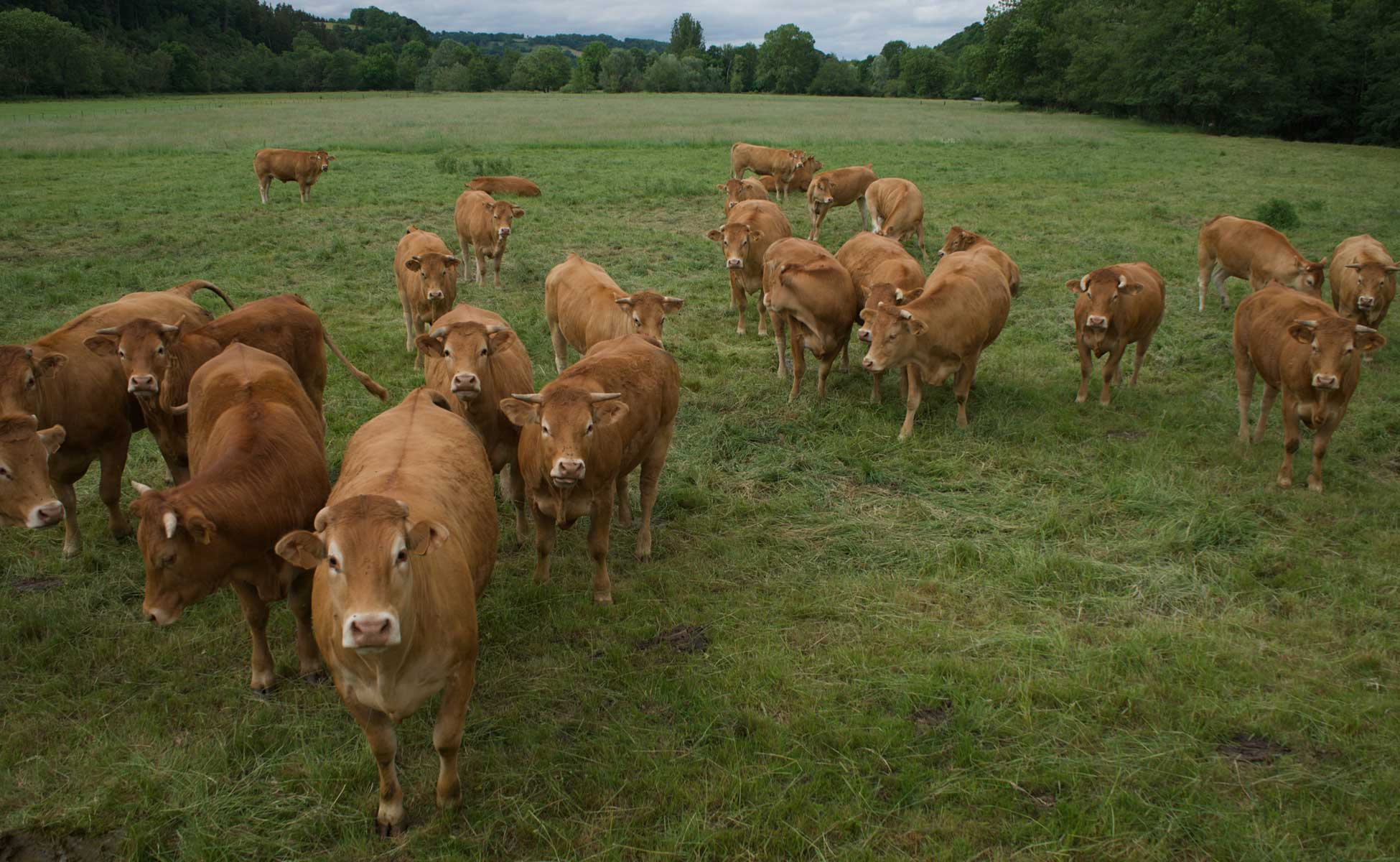
The European Commission has just delivered a message that its livestock industry is not simply something to regulate, but something to protect.
Its newly published Livestock Strategy, accompanied by a Protein Strategy, sets out a long-term vision for a sector the Commission describes as essential to food security, rural communities, economic resilience and Europe’s strategic autonomy. Rather than focusing solely on emissions and environmental pressures, Brussels is making the case that livestock production is a strategic asset that deserves investment and support.
Although the UK is no longer part of the EU, Europe remains our largest export market for many livestock products, and regulatory changes in Brussels often have consequences well beyond the bloc’s borders.
The strategy recognises that Europe’s livestock sector faces mounting pressures, from volatile markets and animal disease to rising production costs and climate change. It also acknowledges the risks of relying heavily on imported feed proteins, with the accompanying Protein Strategy aiming to boost European production of protein crops and reduce dependence on imports. Food security and food sovereignty feature prominently throughout both documents.
The Commission has also made competitiveness a central objective. Alongside measures to improve resilience and encourage innovation, it wants to bridge the financing gap for investments in sustainability and animal welfare, promote European livestock products overseas and strengthen the sector’s position in international markets.
One of the most significant announcements for the pig sector is the confirmation that the Commission will bring forward new animal welfare legislation for pigs next year. As imported products will need to meet equivalent standards, UK exporters selling pig meat into the European market will be watching developments closely.
The detail of those proposals has yet to emerge but if they were to include changes to rules on CO₂ stunning, as some in the industry anticipate, the implications for pig processors on both sides of the Channel could be considerable. Until the legislation is published, however, the precise direction of travel remains uncertain.
Perhaps the biggest takeaway from the strategy is its supportive tone. For several years, European livestock policy has often been viewed through the lens of environmental regulation. This strategy presents a broader narrative that shows how livestock farming underpins food production, supports around seven million jobs across Europe, contributes around €400 billion annually to the economy and plays an important role in maintaining rural communities. The Commission argues that improving sustainability and maintaining a competitive livestock sector should go hand in hand.
Whether every element of the strategy delivers remains to be seen. At a time of geopolitical uncertainty and growing concerns over food security, the European Union is placing livestock firmly within its vision for economic resilience and strategic food production. A vision we’d like to see for UK livestock.
We are the UKs largest trade body for the meat industry and provide expert advice on trade issues, bespoke technical advice and access to government policy makers
We are proud to count businesses of all sizes and specialties as members. They range from small, family run abattoirs serving local customers to the largest meat processing companies responsible for supplying some of our best-loved brands to shops and supermarkets.
We are further strengthened by our associate Members who work in industries that support and supply our meat processing companies.
We are the voice of the British meat industry.

17 Clerkenwell Green
Clerkenwell, EC1 0DP
Tel: 020 7329 0776
Get industry updates direct to your inbox